


Was Sharing Even Crops a Bad Idea?
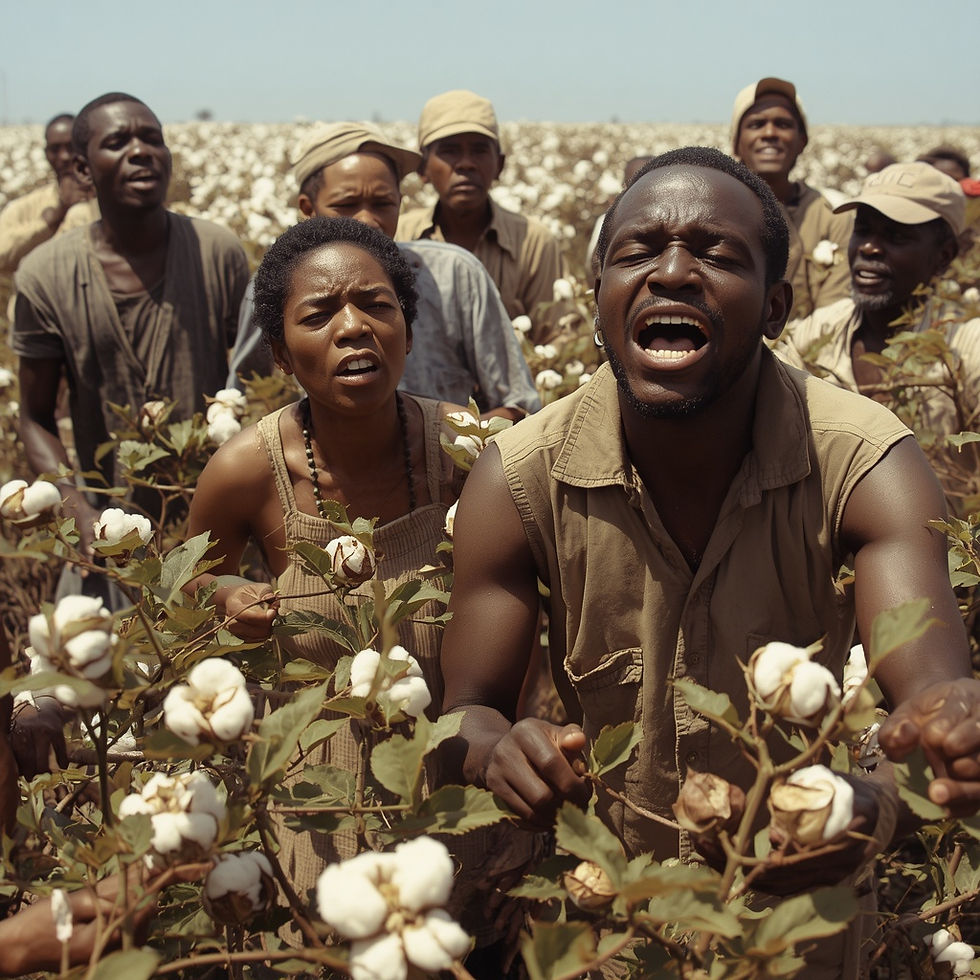
Our farmers are hurting. Should they now acquiesce to the demands of wealthy corporate interests, or should they repackage an old concept? It is well known that after the Civil War and the abolition of slavery, the Southern economy was devastated, and most freed African Americans lacked land or capital. Now farmers in America are faced with a profound dilemma. Do they continue growing crops in bulk, or do they parcel off their land to others desirous of being farmers, and this time “share” their land with others and overcome the deep reach of corporate greed?
Initially, policies like Sherman’s Special Field Order No. 15 promised “40 acres and a mule” to freed slave families, but President Andrew Johnson reversed these measures, returning land to former white owners. Freedmen were left with limited options, and “sharecropping” emerged as a compromise that allowed them to work the land independently while still providing labor to landowners. Poor white farmers also participated, making up roughly two-thirds of sharecroppers in some areas.
The game has now changed. After many seasons of deception, wise farmers are being forced to observe the wisdom of not only sharing crops but also sharing land with others wishing to farm and taking the bitter crop with the sweet. Be assured that there are many Americans who would love to farm, provided the “sharing” is equitable.
The US government has subsidized a certain group of farmers for many years, leaving others to “toil in the soil” without assistance. Still, these farmers have fared better, at this juncture, than those endowed with many seasons of favor. Perhaps nature is now flexing its muscles. When farmers were subsidized because they provided crops to ailing nations, farmers had much easier rows to hoe. They had breathing room to keep the barn doors open. Absent this act of mercy, now farmers are hurting, and so is the entire nation.
Those forced to pick cotton and those willing to pick the grapes are long gone. Nonetheless, many farmers were either agreeable to these events occurring or caught up in an identity conflict by deceptive projections.
Most of us have been mesmerized by the deceptive projections of some of our ancestors. Most will not acknowledge it. However, it is factual that once one has had their turn in the barrel, they are known to acquire the ability to see beyond the physical realm—something unappreciated by those who have yet to occasion such an experience.
I have noticed many farmers have been selling their crops without the assistance of mainstream media advertising. They have been erecting small farm stores. Obviously, they can now appreciate why using conglomerate media promoting is NOT a good idea. They now know who controls the mainstream media and how they can once again be caught up in a price war created by a few very wealthy people.
We must understand that whenever a product is promoted, there is some price to pay. It is better to pay down instead of paying up when making promotions. We must assure ourselves that those we pay are the ones more likely to embrace our promotions as a quid pro quo, not someone who will take our hard-earned cash and use it against us. Think about it.
We have some good ideas, not only for the farmers but for anyone wishing to promote their wares and “share” their success with others, without corporate influence, or control.
Check it out at http://www.u9itus.com
Comments